How Play Brought Ahmed Back to Learning
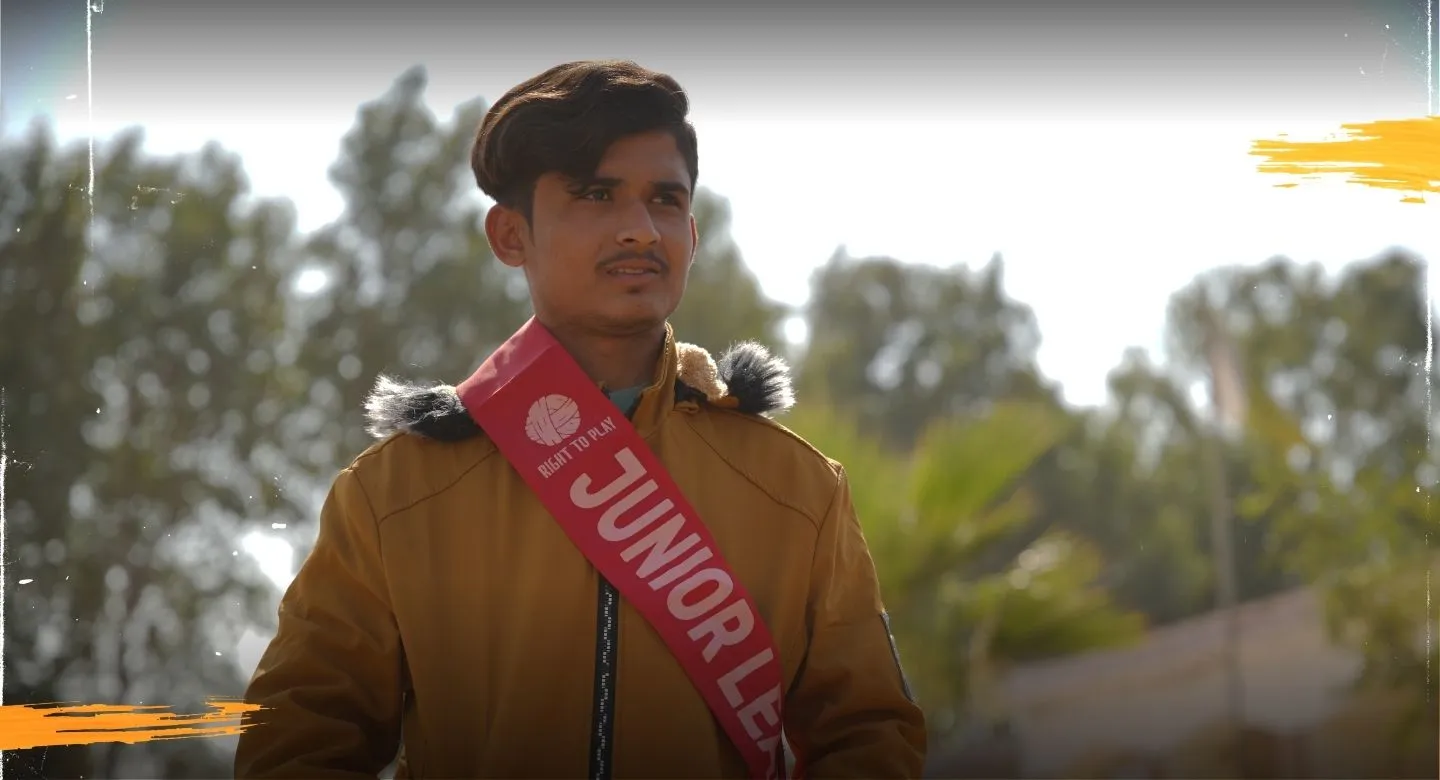
In Thatta, Pakistan, the schoolyard hums with laughter and energy whenever classes are in session. Among the children leading games is 15-year-old Ahmed, confidently guiding younger students through an activity called Goal Reach — a fast-paced team game that challenges players to set clear goals and work together to achieve them. As the two teams race from one target to the next, the children learn how to break big dreams into manageable steps, persevere through setbacks, and celebrate each milestone along the way.
Some years ago, Ahmed rarely attended school. He often spent his days playing cricket in the streets with other boys because the lessons felt dull and joyless. With few opportunities for play or creative engagement, he gradually disengaged from school entirely.
Everything changed when the Roshan Rastay program introduced play-based learning to his school. With support from his coach and his father, Ahmed started attending regularly. Today, he is a proud Junior Leader, helping younger students build confidence, teamwork, and problem-solving skills through games.
Play Opens the Door
In Pakistan, more than 23 million children are out of school, often due to poverty, limited teacher capacity, and a lack of engaging learning environments. For many children, falling out of school doesn’t begin as rebellion — it begins when learning feels disconnected from their lives.
"At first, I didn’t like school at all. I didn’t know why studying was important."
Ahmed initially came to school reluctantly, finding school joyless and boring. He found it difficult to feel engaged and interested in what he was learning. His father, Jaro, worried deeply about his disengagement. Teachers stopped him regularly to report Ahmed’s lack of attendance. Jaro tried speaking to him, encouraging him, even pleading with the school to include sports or any activity that might excite children who, like his son, were drifting further away from learning. Still, nothing changed.
When the Roshan Rastay program launched, Coach Asadullah noticed Ahmed’s empty seat for weeks. “Ahmed’s name was in the register, but he wasn’t present for three weeks,” says Asadullah. Encouraged by the program, Jaro personally ensured Ahmed attended sessions, dropping him off and picking him up each day.
"Coach Asadullah helped me take an interest in my studies. He let me play games and made me a Junior Leader."
As the school began integrating regular play sessions, Ahmed’s attitude started to change. Through games that built teamwork, problem-solving, and empathy, he began to rediscover school as a place of belonging and growth.
Leading the Way
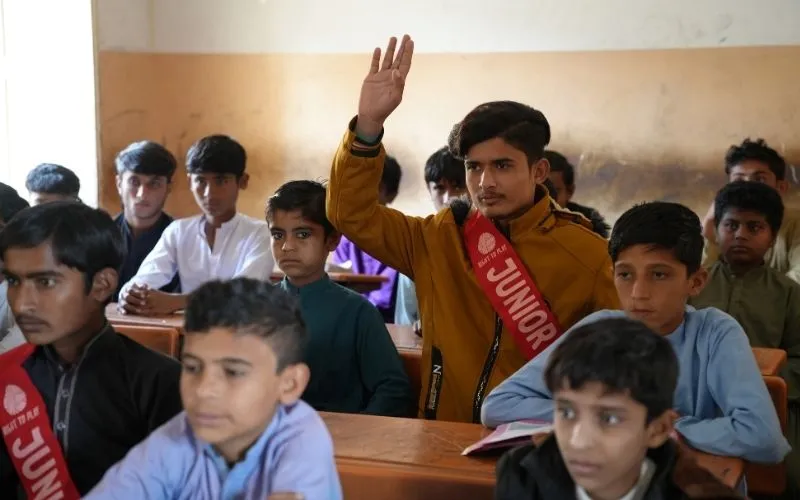
Ahmed quickly stood out for his enthusiasm and leadership. In just a few months, he transformed into one of the most engaged learners in his class.
As a Junior Leader, Ahmed guides younger children in games that teach important life skills. “A Junior Leader is someone who supervises younger kids; we take care of them and guide them,” he explains proudly.
Coach Asadullah beams when he talks about Ahmed’s progress: “When Ahmed joined, he picked up the games quickly and understood how to play well. As his coach and a teacher, I’m proud to see his achievements.”
The transformation has rippled beyond the classroom. Ahmed is now respectful toward elders, helps classmates with homework, and has earned good marks in his exams. His father sees a new confidence and discipline in him, qualities that were once buried beneath frustration and boredom.
"When I came to school and saw he was a Junior Leader, that was a happy moment for me."
Dreaming Forward
Ahmed’s ambition is clear: “I wish to complete my studies. When I grow up, I want to join the police.”
For Jaro, watching his son set goals and work toward them is the ultimate reward. “Right To Play should be in every school, so that children develop an interest in their studies,” says Jaro.
As Ahmed leads a group of children across the schoolyard, their laughter fills the air. It’s hard to believe that a short time ago, he was one of the students most at risk of dropping out. Today, he’s proof that with the right support — from a caring coach, a determined father, and the power of play — every child can rediscover their potential.
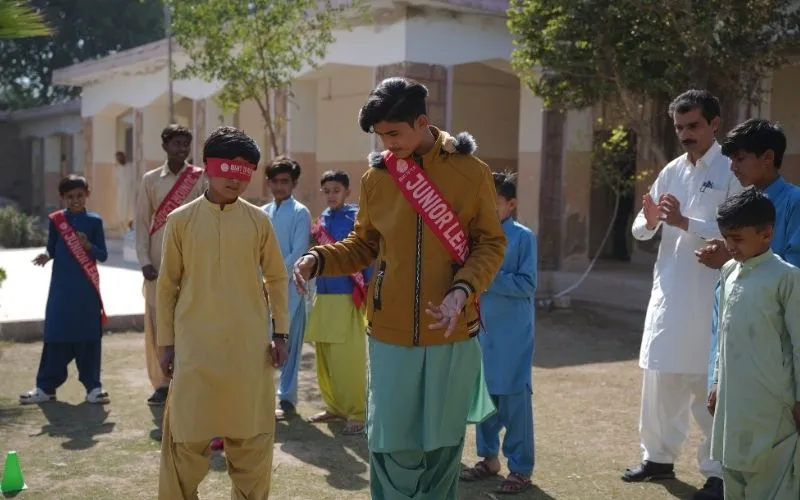
The Roshan Rastay program helps out-of-school and vulnerable children in Pakistan access quality education and life skills through play-based learning. The program engages more than 38,000 children annually, training teachers to use play as a tool for learning and emotional development. Active from 2021 and continuing through 2028, it is being implemented in Thatta, Sujawal, Karachi, and Islamabad with financial support from The Light Foundation.